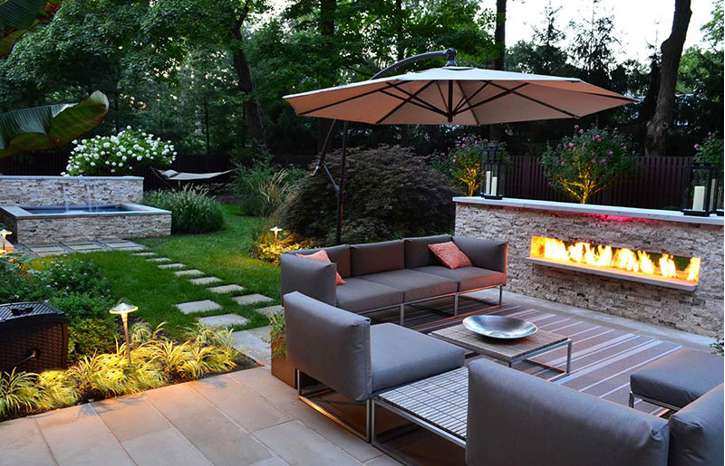
Paving vs Decking
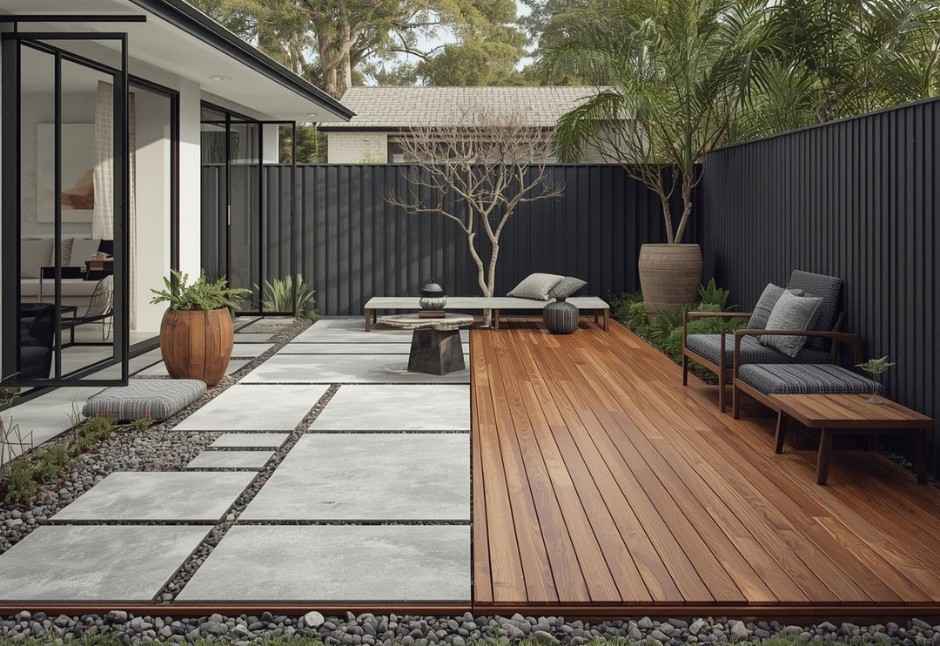
This doesn’t have to be a difficult choice, but it’s one you need to make carefully. If you make the wrong choice, then every time you step out, that surface will always remind you of how unhappy you are with it until someday when maybe another surface replaces it again. However, get it right, and you have an outdoor space that actually gets used. The fact is, both paving and decking have their moments to shine. Neither one is better than the other. What works brilliantly for your neighbour’s place might be completely wrong for yours, and that’s before we even get into Sydney’s weather or your budget or maintenance requirements. Let’s get down to it. No fluff, no corporate speak – just a straight-up comparison that will actually help you make a decision you won’t regret about outdoor flooring options. Why This Decision Matters More Than You Think Here’s something most people never realise until it’s too late: your patio surface affects everything else about your outdoor space. The material you choose determines which furniture works best, how hot the area gets during summer, how slippery it becomes after rain and whether children can play on it barefoot without burning their feet. It is also a significant investment. Whichever way you choose to go, paving or decking, you’re looking at a material that should last decades if you treat it right. That’s quite some time to be living with a decision made in haste. The Case for Paving Let’s start with paving, which has been the go-to choice for Sydney patios for years. There’s a reason for that popularity that goes beyond just tradition. Built to Last Durability is paving’s biggest selling point. We’re talking about a surface that can handle pretty much anything Sydney’s climate throws at it. Summer heatwaves? No worries. Those random hailstorms? Paving laughs at them. Even furniture being dragged across won’t do much damage to good-quality pavers. Style and Variety Sandstone pavers keep that classic Sydney look. Concrete pavers are available in more colours and patterns than you ever thought possible. Travertine looks amazing, but it is more expensive. Porcelain pavers can imitate timber – without the maintenance problems. Easy to Maintain The main work involved in maintaining paved areas is regular sweeping. An occasional pressure wash of the surface will make it look as good as new. Stains can easily be removed by hosing them off with water; there will never be a need to reseal or re-oil every year, unlike decking products. The colour does not fade – that’s what you get today and that’s what you’ll have ten years down the line. The Drawbacks But paving is not perfect. It gets seriously hot underfoot during Sydney summers, particularly for darker colours. The heat retention can make the area less comfortable on those 35-degree days when you’re trying to enjoy dinner outside. Upfront installation costs can make it pricier than simple basic decking. There needs to be proper base preparation – excavation, compacting, and sand bedding. At Divine Landscapes we undertake all of this work, and it is essential to follow the proper procedures, as taking shortcuts would lead to problems later. Some also find paving a bit cold aesthetically. It’s hard and modern. Perfect if that’s your style, but if you are after something warm and organic, timber might be more your thing. Once the surface of your patio has been completed, another thing to consider would be lighting options that could brighten up your outdoor living space, making it more functional for evening entertainment. The Case for Decking Decking brings something to the table that paving simply can’t match – warmth. And I’m not talking about temperature here, but rather that visual and tactile warmth that timber provides. There’s just something about a timber deck that makes an outdoor space feel more inviting, more like an extension of your living room rather than just a concrete slab out back. Design Flexibility Decking offers impressive aesthetic flexibility. You can have it at different heights; you can multi-level it; you can wrap it around trees and provide built-in seating. Try doing that with pavers without a significant increase in complexity and cost. Decking works with the contours of your land rather than requiring everything to be perfectly flat, which is a massive advantage on sloping Sydney properties. Stays Cooler in Summer This is really where decking comes into its own. While paving absorbs and radiates heat that can burn your feet, timber decking stays comfortably cool enough for bare feet. That makes it a better option for families with young kids playing outside or anyone interested in using their patio during Sydney’s hotter months without footwear. The Maintenance Reality Here’s the tricky part about decking, though. Maintenance is real and you can’t just ignore it. Most timber decking needs to be cleaned and then oiled or sealed annually to keep it looking good and prevent weathering. Skip a few years and you’ll start seeing that silvery grey colour. For more tips on protecting your outdoor surfaces from Sydney’s conditions, check out how to weatherproof your yard. Other Considerations Composite decking is worth mentioning here. It’s more expensive than timber but doesn’t need annual oiling, which sounds great. The catch? You lose that real timber feel, and while composites don’t get quite as hot as timber in direct sun, they still get warm enough that you might not want to walk barefoot during a summer arvo barbecue. The cheaper composite options are available too, but they look pretty obviously fake – you’re not fooling anyone. The Slip Factor Timber decking gets slippery when wet, and that matters because Sydney can throw a sudden shower at you any time. If you’re building next to a pool or in a generally damp area, think carefully about the timber species and finish that will best minimise slip risk. Termites Termites are a real concern in Sydney, which means you’ll need to use termite-resistant timber species like spotted gum or ironbark, or go with treated pine. Either way, it’s an extra consideration that simply doesn’t apply to paving. Sydney-Specific Factors That Matter Living in Sydney means dealing with a specific climate that affects your choice between paving and decking more than you might realise. What works in other cities might be completely wrong for your backyard. Hot summers favour decking’s cooler feel, but Sydney’s intense UV accelerates fading on any outdoor material. Rainfall affects materials differently too – paving dries faster, while timber decking absorbs moisture, which can lead to swelling and rot if drainage isn’t right. Raised decking often needs council approval, particularly if it’s above a certain height or close to boundaries. According to the NSW Planning Portal, decks must meet specific requirements to be exempt from planning consent. Ground-level paving usually doesn’t trigger these requirements. If you’re in a bushfire-prone area, you may need BAL-rated materials. The NSW Rural Fire Service provides guidelines on Bushfire Attack Level requirements, which can affect your material choices. Divine Landscapes handles all these local considerations as part of our landscape construction services. We’ve worked across Sydney and know what actually works for your specific location. The Money Question Let’s talk costs because this is probably sitting in the back of your mind through this whole article. Basic concrete paving typically clocks in at a total slightly lower than mid-range timber decking for materials alone. However, paving installation (excavation, base work, compacting) can push the total cost up, particularly if your site has drainage issues or unstable soil. Most contractors will never tell you about added costs until they find “unexpected” soft spots during construction. Cost Factor Paving Decking Installation Complexity High (excavation, base prep) Medium (frame, fixing) Annual Maintenance Low ($50-$150/year) Medium-High ($200-$500/year) Lifespan 25-50+ years 15-30 years (timber) Replacement Cost Very high Medium-High 20-Year Total Cost Higher upfront, lower ongoing Lower upfront, higher ongoing Here’s something most people forget about – lifecycle costs. Yes, paving has higher upfront costs but there are hardly any ongoing expenses to be paid for. Decking can be cheaper to install but it will require annual maintenance each year over a period of twenty years; all these costs eventually sum up to one big cost! If you’re flipping houses, then the initial investment is what matters the most. If this is your forever home, then total lifecycle cost becomes more relevant. Making the Right Choice for Your Space Divine Landscapes has helped clients resolve this common dilemma, having constructed hundreds of outdoor spaces. Here’s what we usually suggest to them: Choose paving if: You want minimal ongoing maintenance. Your patio gets full sun most of the day and you won’t be using it barefoot. You prefer a modern, clean aesthetic. You’re building near a pool where slip resistance and water tolerance are priorities. You need a perfectly level surface for specific furniture or features. Go with decking if: You love the warmth and natural look that only timber provides. Your family will use the patio barefoot during summer. You have a sloping site where building at different levels makes sense. You’re willing to commit to annual maintenance. You want something that feels like an outdoor room rather than a paved area. Consider a combination if: You have a large backyard area that can be separated into different defined areas. You want to use both materials for multipurpose benefits. Your budget allows it, and you like the visual interest of mixed materials. This is not an unusual approach. We have completed numerous projects in which decking provides a raised entertaining area near the house while paving takes care of paths and areas around fire pits or outdoor kitchens where heat and sparks are concerns. Getting the Installation Right Here’s something that matters more than your material choice – getting it installed properly. A badly laid patio is a nightmare regardless of whether you picked paving or decking. For paving, this means proper drainage so water doesn’t pool or drain towards your house, adequate base preparation so pavers don’t sink, and attention to details like expansion joints and edging. For decking, proper installation means using the right fixings and spacing, creating adequate ventilation underneath, and building to a structural standard that won’t bounce when people walk on it. NSW Fair Trading states that all building work must meet minimum technical standards and quality requirements. Building work includes outdoor structures such as decks or patios. This is exactly what Divine Landscapes specialises in. Our construction team handles the entire process from design through to completion, making sure all the technical stuff is sorted properly. We work across all of Sydney, from the Northern Beaches to the Hills District. The Real Answer? It Depends I know that’s probably not the definitive answer you wanted. But both paving and decking can create fantastic patios when they’re right for the situation. The real question isn’t “which is better?” but rather “which is better for my property, my budget, and how I actually want to use this space?” Answer those questions honestly and the choice becomes clearer. Of course, that’s what Divine Landscapes is here for. We can come out and take a look at your area and give you real advice on which outdoor flooring options make the most sense. Sometimes it’s paving. Sometimes it’s decking. Sometimes it’s both. Do not rush to make a final choice without getting some professional opinions first. Your future self will be grateful to you when, on some perfect evening in Sydney, you’re sitting out there quite content with what lies beneath your feet.
Retaining Wall Ideas
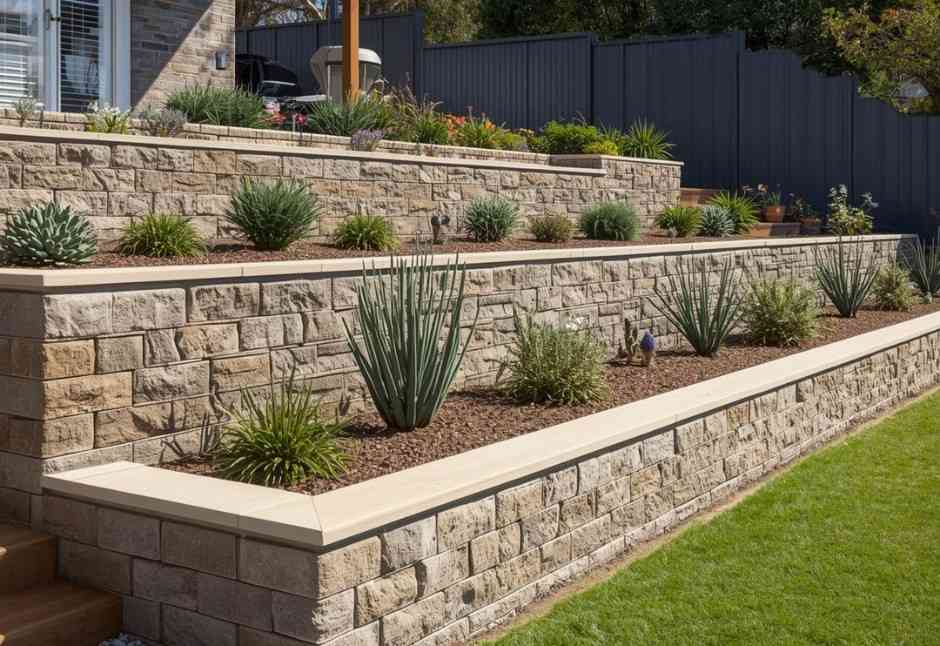
Here’s the thing about Sydney properties – they’re not all flat. Shocking, right? If you’ve got any kind of slope going on, you’re probably losing soil, dealing with drainage headaches or just looking at wasted space that could be something better. A retaining wall creates extra usable space while holding back soil. A good retaining wall provides more than just usable space – it stops erosion from turning your yard into a mudslide and, yes, it can make your property look about ten times better. The soil on a sloped property never just stays there nicely. Water runs down with it, taking along the good topsoil until suddenly there is an unsightly mess of exposed roots and patchy grass left behind. Not a good look. What Are Your Material Options? You’ve decided that you need a retaining wall. What will it be made of? Your choices vary depending on your budget, how high you need to build, what your house looks like, and how much maintenance you can be bothered with down the track. Timber Retaining Walls Timber is popular for a reason. It’s relatively affordable, looks natural in a garden setting, and is easier to work with than some other options. Treated pine sleepers are common in Sydney because they are practical and effective. The catch? Even treated timber eventually rots or gets eaten by termites. You’re looking at maybe twelve years if it’s properly installed. If you want timber that’ll last longer, hardwood sleepers cost more, but they will outlast pine by a decent margin. Concrete Sleepers and Blocks Now we’re talking about something that’ll stick around. Concrete retaining walls are strong, they last ages, and they’re not fussed about weather or bugs. You can get concrete sleepers that look surprisingly good these days too. Some even mimic the timber look if you’re after that aesthetic without the maintenance. Concrete blocks are versatile – you can render them, paint them, or leave them as is. They’re particularly good for taller walls because they interlock and provide serious structural strength. The main downside is the upfront retaining wall cost, but when you factor in that it’ll still be standing there in 50 years, it starts to make more sense. Natural Stone If you want something that looks like it’s always been there, natural stone is difficult to beat. Sandstone, limestone, and bluestone – they all age beautifully. Stone walls can be dry-stacked (no mortar) for a more rustic look or mortared for extra stability. The dry-stack option is better for drainage too – water can seep through the gaps instead of building up behind the wall. But be advised that stone is pricey. Both the materials and the labour required for proper installation are expensive. But if your budget stretches to it, it’s a beautiful option that’ll add real value to your property. Beyond retaining walls, decorative stones, like river stones and sandstone, can enhance other areas of your garden too. Learn more about creative ways to use decorative stones in your landscaped garden for a cohesive design. Brick Brick can work really well for a garden retaining wall, especially if your house is brick. It creates a pleasing visual connection between the house and landscape. You’ll need proper footings and weep holes for drainage, though. Cost-wise, brick sits somewhere in the middle – not the cheapest but not the most expensive either. Design Ideas That Actually Work Alright, materials sorted. Let’s talk about what you can actually do with a retaining wall beyond just “holding back dirt”. Terraced Gardens The key here is getting the heights right. Walls between 600mm and 1200mm work well. Anything higher and you’re getting into engineering territory (literally—you’ll need council approval and engineering specs in NSW for walls over 600 mm). According to NSW Legal Aid, walls under 600mm don’t need council approval in NSW if they’re at least one metre from boundaries and two metres from other walls. For terraced designs, multiple low walls are often simpler than one tall wall. Built-in Seating Why settle for just a wall when you can have one that also serves as a seating area? If you’re building at the right height – say around 450-500mm – top it off with some wide coping stones or timber, and boom, you’ve got built-in garden seating. Works particularly well around outdoor entertaining areas. Garden Bed Edges Not every retaining wall needs to be a major structural thing. Low walls (300-600mm) make brilliant garden bed edges, especially on slight slopes. They define the space, keep mulch where it’s supposed to be, and add structure to the garden. These are the kinds of projects that can really lift the look of your whole yard without massive expense. Integrated Lighting Here’s a nice touch: Incorporate lighting into your retaining wall design. Whether it’s lights set into the wall itself, uplighting, or downlighting from the top, it extends the usability of your outdoor space into the evening and creates atmosphere. This works especially well if the retaining wall is near your patio or entertaining area. For more ideas on outdoor lighting that can complement your retaining wall, check out our guide on how to brighten your outdoor living space with various lighting options. Water Features Want to get fancy? A retaining wall can incorporate a water feature – maybe a wall-mounted fountain or a spillover waterfall effect. This option obviously adds to the cost but it creates a real focal point in the garden. Just make sure you’re working with professionals who know what they’re doing with both the structural and water aspects. Why Professional Installation Makes Sense If you’re wondering whether professional installation is worth the investment, read more about why hiring landscape experts can actually save you money in the long run. Look, I’m all for DIY when it makes sense. But retaining walls? This is probably one task to leave to professionals who do it for a living. Our landscape construction team at Divine Landscapes deals with retaining walls all the time across Sydney properties, and there’s a reason for that. Compliance and regulations: As per the NSW Planning Portal, any retaining wall above 600mm high needs development approval in NSW. Certification by an engineer is also required if such walls are supporting earthworks either above or below ground level by more than 600mm. Most professional landscapers know these requirements inside out and can navigate the approval process for you. Proper construction: Footings, drainage, backfill and reinforcement. Miss any of these elements and you’re asking for trouble down the track. Design expertise: An experienced landscaper will see opportunities in your space that you may not have considered. They’ll make suggestions on how to maximise areas and incorporate the wall into the overall garden design. Long-term value: A professionally built wall should last for decades. If you’re investing thousands anyway, proper installation is what protects that investment from requiring costly repairs down the track. Ask for quotes from a few good landscapers around Sydney. Someone serious about getting the job will come over, have a look at what they have to deal with, and give their suggestions in detail – not just a price. Getting the Most From Your Retaining Wall This is how you make the most of a properly constructed retaining wall. Planting: What you put on top and around your retaining wall can either enhance it or try to hide it. Let plants cascade over the top to soften the look. Ground covers at the front integrate the wall into the garden. Do not plant things with aggressive root systems too close, however. Maintenance: Check for movement, particularly after heavy rain. Ensure weep holes remain clear. If it’s timber, apply a new coat of protective treatment every few years to extend its life. Think bigger: A retaining wall can open up possibilities for reimagining that whole area. Maybe it’s time to put in new garden beds, upgrade the lawn or add pathways. Our team at Divine Landscapes can help you create a comprehensive plan that ties everything together. Making Your Decision There are many options available. The trick is finding the right solution for your particular situation. What are you really trying to achieve? How much is your budget? What does it need to look like and how should it fit with your house and existing garden? Think about these things carefully before getting quotes. The clearer your vision, the better the outcome. Don’t just look at the upfront cost either. A cheap timber wall that needs replacing in 12-15 years might cost more in the long run than a concrete option that will still be perfect in thirty years. Your Sydney property deserves a retaining wall solution that works properly and looks good. Get in touch with landscaping experts who understand Sydney properties and can deliver something that will stand the test of time. A retaining wall does more than just hold back dirt. A retaining wall, in fact, gives you an outdoor area that you will use and enjoy. That is what it should be all about.
Water-Wise Garden
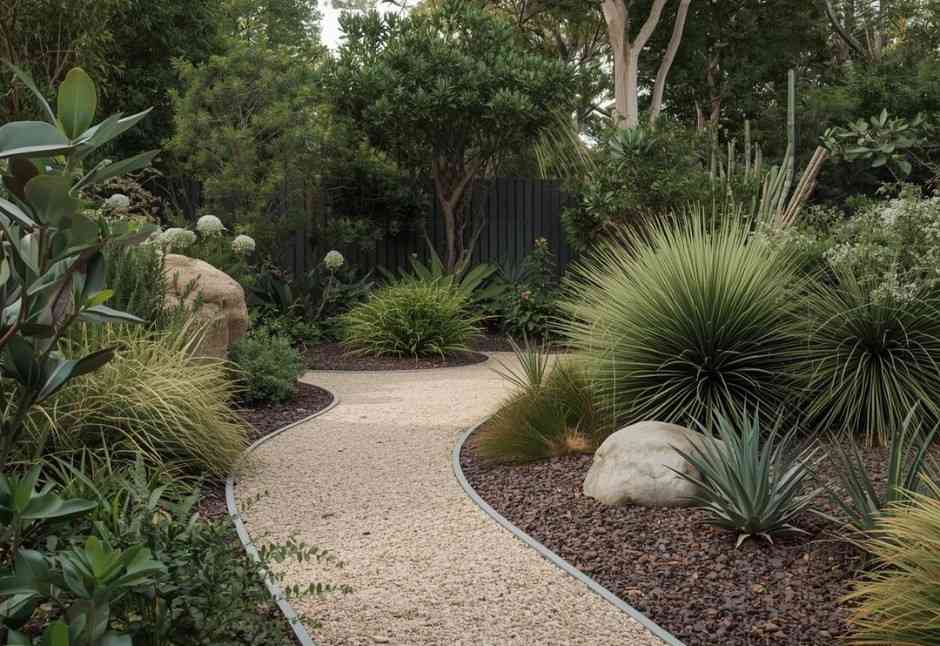
If you live in Sydney, you will know our relationship with water. One month we are dealing with flash flooding; the next month we are on level 2 restrictions, wondering if our prized roses are worth the guilt. It is exhausting. But let’s keep in mind that developing a water-wise garden for Sydney home residents, which they can actually maintain, does not mean looking at some brown, crunchy plants pleading for mercy. So many have assumed that drought-tolerant means boring. That could not be further from the truth. Why Sydney Needs to Seriously Think About Water-Wise Gardens Rainfall is, at best, unpredictable. What was effective in your garden ten years ago may no longer be effective today. Water restrictions aren’t going anywhere. The Sydney Water Wise Guidelines mean watering before 10 a.m. or after 4 p.m. all year round—not just in a drought. And even without restrictions, watching your water bill rise while litres run off your lawn gets old fast. Sustainable landscaping is working with our environment instead of against it. Stop fighting to keep thirsty plants alive all summer long and discover how enjoyable gardening can truly be. The Actual Benefits (Beyond Feeling Environmentally Virtuous) Water bills. That is always the prime concern of every homeowner. A properly designed water-wise garden shall reduce your consumption by 40 to 60 per cent, hence big real cash savings in your pocket – in your pocket rather than down the drain” or just end at “big real cash savings. Maintenance time? Way down. Drought-tolerant plants didn’t evolve to need you fussing over them every weekend. They’re survivors. Once established, many of them practically look after themselves. You get to spend more time noticing how pleasant your outdoor space actually is when you’re not continually dragging hoses around it. If you’re starting to explore how to reduce ongoing work, our tips on creating a healthy lawn can help with the turf areas you do keep. Native drought-tolerant plants bring in birds, butterflies and beneficial insects. Your garden becomes a small ecosystem rather than just a group of plants that need to be watered. It’s actually pretty cool. Getting Started: The Soil Situation You Can’t Ignore This is the step where most people go wrong from the very beginning. They choose beautiful drought-tolerant plants and put them into Sydney’s clay-heavy or sandy soil and wonder why everything looks sad within a month. Your soil needs work. Probably. Here’s what actually matters: Add organic matter: Compost or well-rotted manure fixes both sandy and clay soils. Aim for that middle ground where water doesn’t vanish instantly or pool on the surface. Mulch it up: A thick 75-100mm layer of organic mulch will reduce evaporation by up to 70% and also improve the soil as it breaks down. The NSW Government water-saving guidelines also recommend similar depths for retaining moisture in the soil and inhibiting weed growth. Contact Divine Landscapes to have us check and recommend improvements before you plant anything. Think of it as building a house — you wouldn’t skip the foundations, so don’t skip proper soil prep. Getting this foundation right from the start saves you battling problem plants later. This is what primarily distinguishes between a plant that endures years of struggle and one that thrives. Choosing Drought-Tolerant Plants That Don’t Look Like Desert Refugees Let’s get something straight about drought-tolerant plants. The automatic association in most minds is with boring cacti. Sydney has flamboyant options that are both water-wise and actually stunning. Native grasses: Kangaroo or weeping grass looks as if it’s pouring down a bank, adding movement without wasting any water. Once established, it’s tough and low-maintenance. Westringia: Coastal rosemary stays looking good all year round, handles the heat brilliantly on minimal water needs, and performs well under coastal conditions too. Grevillea: From ground covers to small trees with bright flowers. These plants bring in native birds and give vivid colours without asking for much water. Lomandra: Almost impossible to kill and it suits any garden style. Plant it and forget it. Agapanthus: Drought-hardy with showy summer flowers. Easily divided for free plants when clumps get too large. Ground covers: Native violet for shaded areas and myoporum for coastal spots. Both require far less water than a traditional lawn. Combine these based on your specific conditions and the look you’re after. The beauty of drought-tolerant doesn’t mean one-size-fits-all boring. There are options for every spot in your garden, from full blazing sun to dappled shade. If you’re not sure what will work best in your particular yard, Divine Landscapes’ design team can recommend plants that will actually thrive in your specific soil and microclimate conditions. Design Strategies That Actually Make Sense Smart design is half the battle with water-wise gardens. It’s not just about plant choice — it’s about how you arrange everything. Here are the strategies that’ll make the most significant difference: Strategy What It Means Why It Works Zone by water needs Group thirsty plants together near water sources. Put tough drought warriors in far corners. Less hose-dragging, more efficient watering. Your high-maintenance plants get attention while survivors do their thing. Reduce lawn area Cut lawn size in half. Replace with drought-tolerant ground covers or decorative stones. Lawns are water vampires. You’ll still have play space but way lower water usage. Create shade strategically Well-placed trees or pergolas reduce evaporation for plants beneath. Shade lowers water needs and actually makes outdoor areas usable in the summer instead of a solar oven. Add hardscaping Paths, patios, decorative stones, and retaining walls reduce watering areas. This results in a smaller area that requires watering while also providing more structure and visual interest. A professional landscape construction team can design these features to complement your plants rather than compete with them. At Divine Landscapes we handle everything from retaining walls to paving, making sure hardscape elements actually work with your water-wise planting plan instead of against it. The Irrigation Reality Check Drip irrigation is worth every cent. Sprinklers water everything – plants and paths and weeds and that section of fence that doesn’t need to be wet. Drip systems deliver water right where the plants need it, reducing waste by up to 50% compared to traditional sprinklers. Timers save you from yourself because you will forget. Let’s be honest – you’ll forget, or you’ll water in the middle of the day when half of it evaporates before even reaching the soil beneath. An automated system waters during the coolest parts of the day, when plants can actually absorb it properly. Buried, mulched drip lines look tidy and work efficiently. You can retrofit them into existing gardens too. It’s not only for new installations. Maintenance That Won’t Dominate Your Weekends If you nail the maintenance routine from day one, you won’t be stuck out there every Saturday. None of this is rocket science, but get it right, and there’s a huge difference in how much time you spend out there. Watering deeply and less frequently: The roots will chase the water downward and become strong enough to access moisture way below. Frequent shallow watering develops only weak surface roots. Do not prune heavily; prune lightly. Over-pruning will cause water-demanding new growth. Light pruning will just maintain the health of the plant. Weed when they’re small: Weeds also compete for water. Pull them out when they’re still small—it takes two minutes. Leave them to grow big and you are in for a battle. Feed right: Too much fertiliser (especially nitrogen) creates soft growth that needs more water. Slow-release native formulas work better. If ongoing maintenance is not something you have time for, garden maintenance services can handle the regular stuff while you focus on actually enjoying your space. At Divine Landscapes we offer maintenance programmes that keep water-wise gardens looking their best without you having to remember when to fertilise or how much to prune. Common Mistakes to Actually Avoid Never assume all natives are drought-hardy. Some Australian plants come from rainforest and creek line habitats – they need constant moisture. Research your specific plants or get professional advice. Establishment watering is hugely important even to the tough, supposedly drought-tolerant plant species. They must be watered regularly through their first summer while roots establish themselves – and this is exactly what most people fail to do because they immediately assume the plants are good to go as soon as they have been planted! Remember microclimates. That west-facing wall is totally blasted by afternoon sun. That shaded corner under the eucalyptus barely gets any direct light at all. Even within a water-wise framework, these spots need different plant choices. For more hints on setting your garden up for Sydney’s changing conditions, check our guide on how to weatherproof your yard. When to Call in the Professionals Look, not everything’s a DIY project. If you’re dealing with slopes or drainage issues, significant changes to your property, or getting landscape design, Sydney professionals involved early saves money long-term. They can notice things you will miss. That barely sloped area that looks okay to you? It could be channelling water away from your planned garden beds. The spot you’ve chosen for sun-loving plants? Might get afternoon shade from the neighbour’s house that you didn’t realise. Our design team at Divine Landscapes creates water-wise plans factoring in your specific conditions, your lifestyle, how you actually use your outdoor space, and your budget. They have worked with every soil type and variation of microclimate within Sydney that you could possibly imagine. For bigger projects, it makes sense to get professional landscape construction. Retaining walls, irrigation systems, paving – these need to be done right the first time. It actually costs way more to fix botched DIY landscaping than hiring someone who knows what they’re doing from the start. The Long View Creating a water-wise garden that Sydney locals can be proud of is not about deprivation or making do with less. It is about choosing plants that thrive in our actual conditions instead of constantly trying to recreate some English garden fantasy that makes no sense in our climate. Your garden should be a place that reduces your stress instead of adding to it. Once you stop fighting against your environment, that is when gardens become genuinely enjoyable again. Less time wrestling with hoses gives more time holding onto a cold drink watching low-maintenance plants attracting parrots. Over time, the financial benefits stack up. The environmental impact feels good – and honestly? Drought-tolerant plants are often more interesting than the generic stuff everyone else has anyway. Not sure where to start? Our team from Divine Landscapes can come out and have a look at your place, suggest the right drought-tolerant plants for your specific conditions, and put together a practical plan that suits both your budget and lifestyle. We service areas all across Sydney, from Inner West clay soils to sandy Northern Beaches conditions. Stop fighting against Sydney’s climate. Start working with it instead. Your garden – and your water bill – will thank you.
10 Ways Sydney Homeowners Can Deter Bugs And Pests From Visiting Their Landscaped Gardens
If there is one thing that the gardens in Sydney that have been created as a result of landscape design all have in common, regardless of their size or shape, it is an aversion to bugs and pests. Most of what grows in these gardens is at risk of being damaged, or worse, killed, due to specific bugs or pests deciding that they are to be their next victim. On occasion, Sydney’s home and garden owners have had to endure seeing the plants they have nurtured and maintained gone within as little as a few days due to the activities of certain pests or bugs. Well, we are here to tell the homeowners of Sydney how to fight back, and better still, we have, in no particular order, ten highly effective ways to deter pests and bugs coming anywhere near your landscaped garden or the plants in it. Keep Soil Healthy The healthier your plants, the more chance they have of resisting bugs and pests and that requires the soil to be healthy too. Ensuring your soil is healthy, with the use of compost, for example, ensures it is nutrient-rich and has the optimal consistency. Acquire ‘Pest-Resistant’ Plants Not many Sydney homeowners are aware that they can purchase plants that are proven to be pest-resistant.  For example, for those who have vegetable patches in their gardens, some carrot types are fly-resistant, and certain potatoes can stand up to eelworms. Take time to research this subject as there are lots of other plant types that are resistant to pests. Maintain And Clean Your Garden Regularly This might not be the most original suggestion you will ever read about your garden, but it is worth repeating that a well-maintained garden, and more importantly, a clean garden will be less attractive to many of the bugs the pests that are a danger to what is growing in your garden. 645
7 Ways Our Landscape Designers Augment The Tranquillity Of Your Garden
Whenever we undertake a landscape design project for a residential client, we are fortunate that there is no shortage of features and design elements we can include to make that design the very best that it can be. Notwithstanding our knowledge and experience as landscapers, which we rely upon, we also have a vast array of options for what we can include in each garden we create. Indeed, one of the problems we sometimes encounter is that we have so many great ideas that our client loves; the discussions often take longer to decide what we should leave out of their landscape design than they are for what we will include. Over the years, we have seen certain features that most of our landscaping clients love us to include in their garden’s design, especially requests for their garden to be a tranquil oasis where they can relax peacefully. So, if you are contemplating landscaping your garden and want a head’s up on what features will enhance its tranquillity, keep reading as we are about to highlight seven of these landscaping features. Comfortable Garden Furniture: Where you are sitting or lying must be comfortable if you wish to relax within a landscaped garden. This is why we ensure that any furniture we include in landscape design will be comfortable enough based on the customer’s requirements regarding seating, loungers, soft furnishings, cushions, and so on. Privacy Hedges Or Fencing On The Borders: It is not conducive to having still, uninterrupted relaxation time in your garden if distractions are walking or driving past that you can see. To combat this problem, we often recommend installing fencing or planting a line of tall shrubs and bushes that act as screening to provide enhanced privacy and seclusion. 607